Modernizing light rail transport with Nord-Lock Washers
Like other recent US rail projects, new commuter trains on the Green Line in Boston will be made with numerous Nord-Lock products.
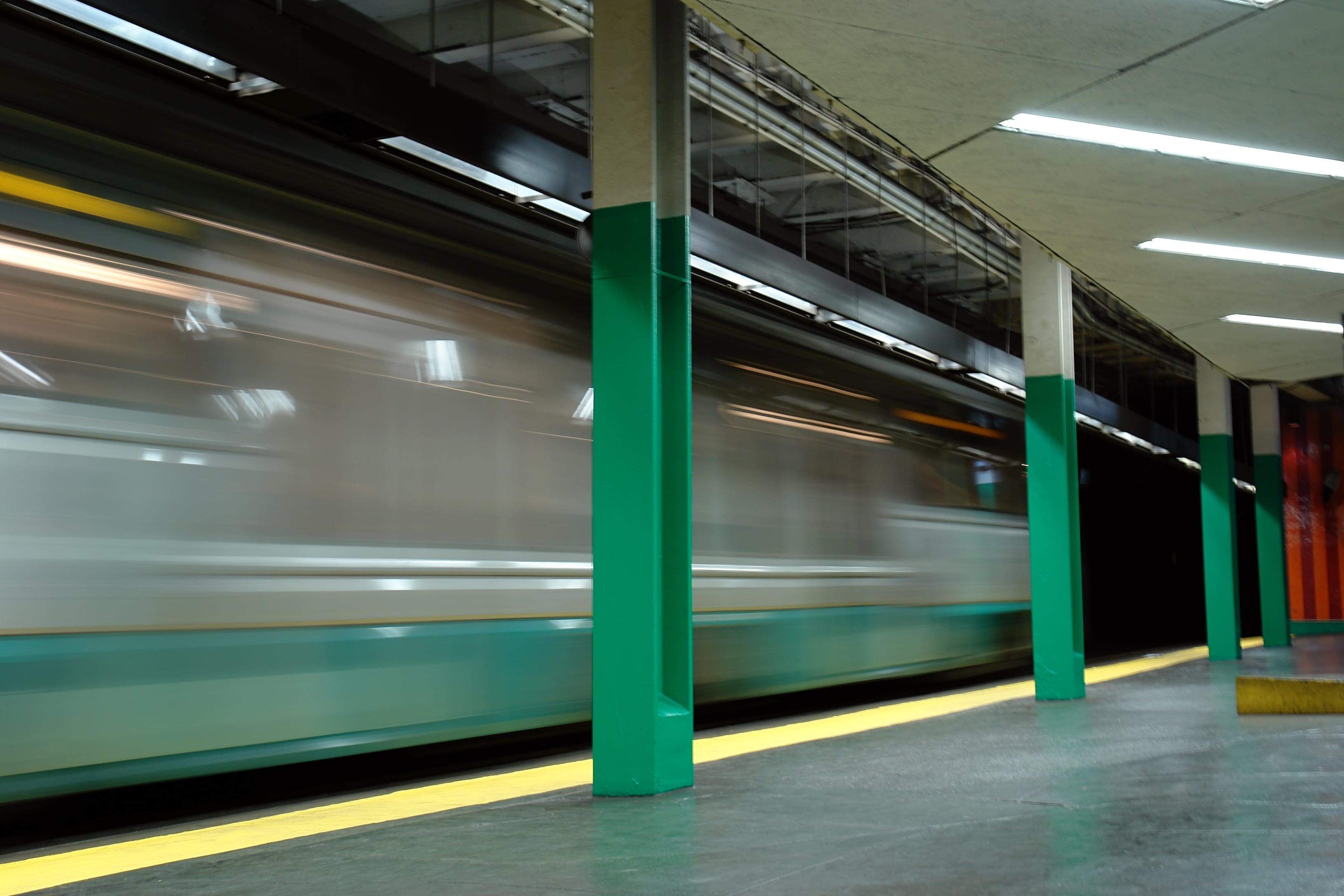
Boston’s Green Line, the historic rail line of one of America’s most historic cities, is getting some futuristic light rail trains. And the so-called "supercars" will feature a high number of bolts secured with Nord-Lock wedge-locking washers. It’s the latest example of how Nord-Lock solutions are gaining wider adoption in sectors like transportation in the United States – fueled in large part by the brand's global presence.
Serving Greater Boston, the Green Line connects the city’s downtown area and surrounding Massachusetts communities with just over 40 kilometers of tracks and 70 stations. It’s one of the most used light rail systems in the US and features the oldest subway tunnel in North America.
As part of recent modernization and expansion efforts, pilot testing is set to begin in 2026 of a new class of light rail vehicles (LRVs). Known as the Type 10 LRVs, their low floors will allow for easier boarding, while their greater length can fit more passengers. The Type 10s will also have improved safety with crash prevention technology, including using Nord-Lock washers in their design.
According to Julie Pereyra, a key account manager for Nord-Lock in the US, the country’s train systems have traditionally used Nord-Lock solutions to secure bolted joints at a much lower level than railways in Europe.
“We have completely different laws and rules than they do in somewhere like Germany, where it's practically specified to use Nord-Lock on any rail transportation,” she explains.
Yet various new rail transport projects in America, like LRVs, are being built with significantly more Nord-Lock washers. “They're all critical bolted connections when safety is really important,” says Pereyra.
A strong partnership for domestic distribution
The Massachusetts Bay Transportation Authority (MBTA) – better known among Bostonians as “the T” – contracted global train and bus maker CAF to design and manufacture the Type 10 LRVs in 2022. They’re expected to begin service as rolling stock on the Green Line in 2027, and the MBTA’s full order of 102 LRVs is scheduled for complete delivery by 2031.
To meet its production deadlines, CAF signed a two-year supply agreement with Bisco Industries, a major distribution partner for Nord-Lock in the US with more than 50 locations in North America and over 500 employees.
“We've been doing business with Bisco for almost 20 years,” says Pereyra, who estimates she’s personally been to more than 30 of their US offices to provide training on Nord-Lock washers. “We talk about fasteners and bolting and our products and how to find customers, how to talk to customers, and how to look for opportunities.”
Better bolting for demanding new technology
Nord-Lock washers are ideal bolted solutions for modern trains and railways. Rail transport may be over 200 years old, but its technology continues to advance, placing increasing physical demands on railway infrastructure and train components.
Nord-Lock’s wedge-locking technology can maintain the clamp force that keeps bolts from loosening once tightened. This allows the washers to secure bolted connections and ensure components remain in place, even at the highest levels of constant vibrations from train traffic.
Products such as Nord-Lock® Original Washers and Nord-Lock® X-Series Washers are ubiquitous on railways all over Europe. In comparison, US railway and train companies, like Amtrak and Union Pacific, have relied on narrow implementations.
“They all use Nord-Lock washers for safety-critical applications,” says Pereyra, “but it's not widespread or across the board. It's just for specific spots where problems could occur.”
From European designs to American manufacturing
Boston’s Type 10 LRVs, however, broadly incorporate Nord-Lock’s washers – more than most previous light rail trains in America. As do the new LRVs on Maryland’s Purple Line and the Houston Metro in Texas, but also trams that will be running in Omaha, Nebraska.
All were manufactured in the US by CAF. Full name Construcciones y Auxiliar de Ferrocarriles (“Railway Construction and Auxiliary”), the global company is headquartered in Spain and designs its train projects there.
“Our Spanish colleagues went to CAF and got Nord-Lock washers on the drawings for all projects globally,” Pereyra explains. “If you're going to build this stuff, they have to be built to specification. Nord-Lock washers are required because the Engineers have designed them into the specification.”
It’s a somewhat common occurrence: international companies setting up domestic production to enter the American market with designs requiring Nord-Lock solutions due to the company’s global presence.
“When they plant themselves in the US, they need our products. They don't want to have to go back to Europe to get them,” says Pereyra, who notes that Nord-Lock’s US presence is up to the task. “We're ready to serve and give them the products they need.”


